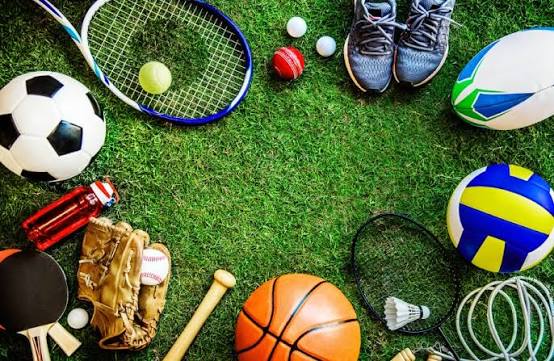
Soccer, cricket, basketball, tennis, rugby and more, all spread across one patch of grass. The picture is a snapshot of the world’s favorite pastime and a reminder of how much sport shapes health, culture and economies.
A field full of possibilities
Look closely at the image and you will find a soccer ball, a rugby ball, a basketball, a volleyball, a red cricket ball, a baseball with its glove and bat, a tennis racket, badminton gear, table tennis paddles, a jump rope, running shoes and a water bottle. Each item belongs to a different sport, with its own rules, fans and traditions. Together they show how varied human play can be.
Why sport matters for health
Regular physical activity is widely recommended by health authorities for good reason. It supports heart health, strengthens muscles and bones, helps manage weight and can improve mood and sleep. Team sports add a social side, which many people find makes it easier to stay active over the long term.
Not every activity requires a stadium or expensive gear. A jump rope, a pair of running shoes or a ball and an open space is enough to get started, which is part of sport’s global appeal.
Sport as a shared language
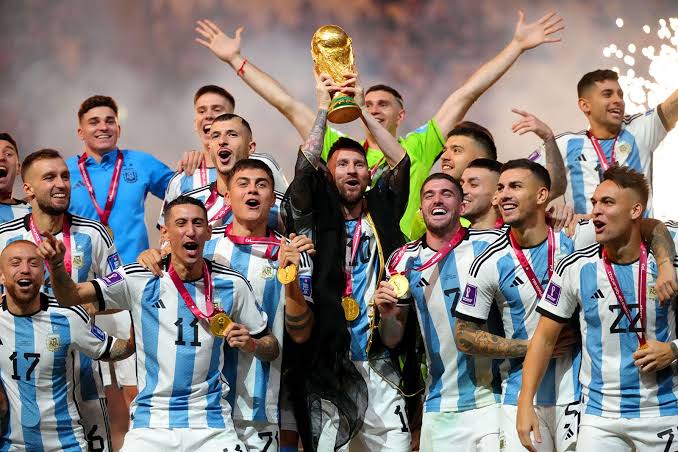
Few things cross borders as easily as sport. Supporters who share no common language can still celebrate the same goal or groan at the same missed catch. Major tournaments, from continental championships to world cups and the Olympic Games, draw audiences across continents and give countries a stage for national pride.
Sport can also bring communities together locally. Neighborhood clubs, school teams and weekend leagues give people a sense of belonging, and they often become the center of community life.
The business of sport
Sport is also a large economic force. It supports jobs in coaching, broadcasting, event management, equipment manufacturing, sports medicine and tourism. Sponsorship, media rights and merchandise add further revenue streams. Cities often compete to host major events, hoping for investment and visibility, though economists debate how much lasting benefit such events deliver once the costs are counted.
Challenges the sporting world faces
Sport’s popularity does not shield it from problems. Common concerns include:
- Access and equality: Not everyone has safe spaces, equipment or coaching, and women and girls in many places still face fewer opportunities.
- Integrity: Doping, match-fixing and corruption continue to threaten public trust.
- Athlete welfare: Injuries, mental health pressures and concerns about safeguarding, especially for young athletes, are drawing more attention.
- Climate and costs: Extreme heat, rising costs and the environmental footprint of big events are pushing organizers to rethink how sport is staged.
Getting started, at any age
For readers inspired by the picture, a few simple steps can help:
- Choose an activity you enjoy, since you are more likely to keep doing it.
- Start gently and build up gradually to reduce the risk of injury.
- Invest first in well-fitting shoes and basic protective gear where relevant.
- Find a friend, club or class for motivation and company.
- If you have a health condition or have been inactive for a long time, check with a doctor before beginning a new routine.
The takeaway
The balls, rackets and ropes in the image are simple objects, but each one stands for something larger: a community, a competition, a healthier life or a chance to belong. Whatever the game, the invitation is the same. Step onto the grass and play.
Copyright & Disclaimer
© 2026 Frontara News. All rights reserved. This article is original content written for frontaranews.com. No part may be reproduced, copied or redistributed without prior written permission, except for brief quotations with proper credit and a link back to the original article.